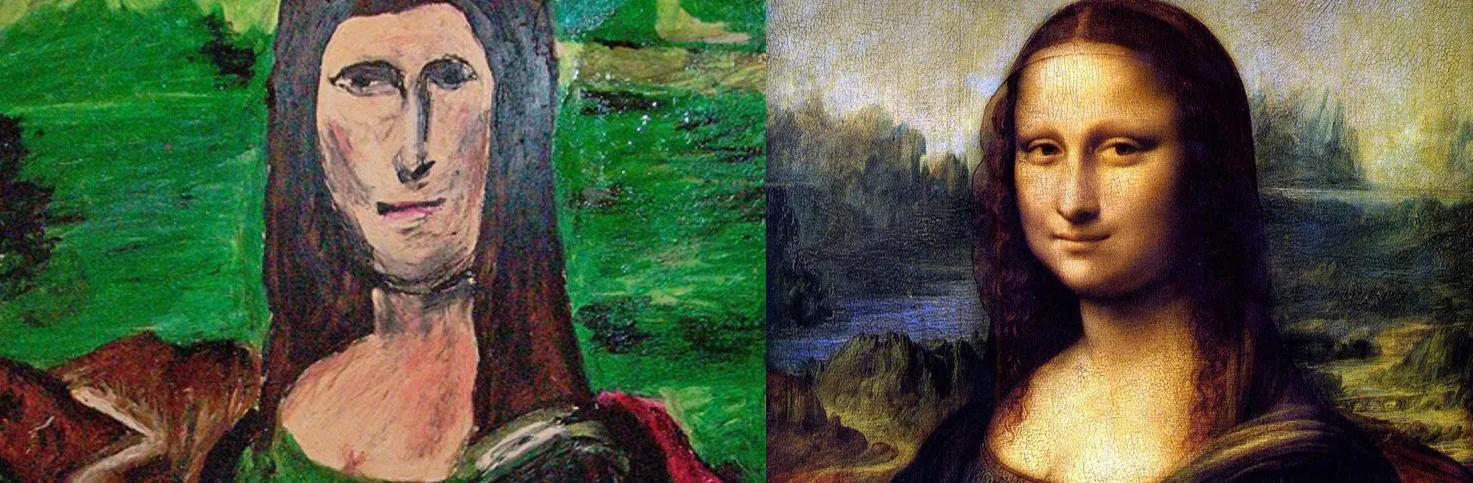

Self-taught artists do not have the benefit of critiques of every class creation. They miss out on the chance to see how their work measures up against others approaching the same subject. This experience alone helps the creator see their own weakness or strength in compositions, skill, perspective, and/or originality levels. They do not develop the thick skin needed in the professional world for the amount of rejection we all receive; regardless of skill.
Self-taught artists rarely put in in the hours it takes to master drawing or painting skills. Three years drawing regularly and four painting are the norm, not the exception.
They do not understand the chemistry of their materials for safety and longevity. They may create a masterpiece only to have the finish bloom or crocodile in a few years or wind up with lead, cadmium, or cobalt poisoning.
Self-taught artists do not easily learn the competition process or the business end of art. Every business, especially the arts, has its own dictionary. The language of art is not only required to learn new skills but vital to communicate with collectors, dealers, or sometimes write artist statements.
Self-taught artists rarely have a long-established art community to support them. A good portion of creating revolves around problem solving. Having peers around that are not competing and understand technical difficulties is priceless.
They do not have the art history background to learn to connect how art reflects its time or society. It allows you to recognize what has been done or overdone.
Mastering color theory can take you years with professional training. Many self-taught artists use colors straight from a tube that are garish at best, fugitive at worst.
The biggest mistake I’ve seen by self-taught artists is not visiting art exhibits. Visiting contemporary art shows or museums regularly trains us to observe the work of successful peers or art masters of the past. Their untrained eye doesn’t know how easy others spot work that has been copied or just poorly copied.
There is a reason a good art school costs more than law or dental school.